

Categories
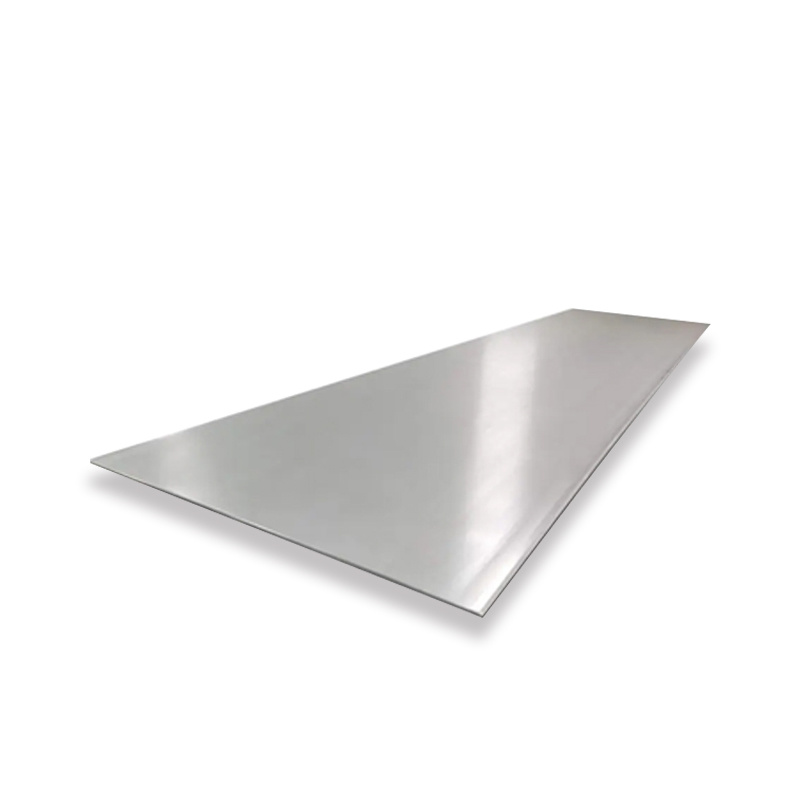
201 stainless steel generally refers to 201 stainless steel and acid resistant steel. 201 stainless steel refers to the steel that is resistant to the corrosion of weak media such as atmosphere, steam and water, while acid resistant steel refers to the steel that is resistant to the corrosion of chemical corrosive media such as acid, alkali and salt.
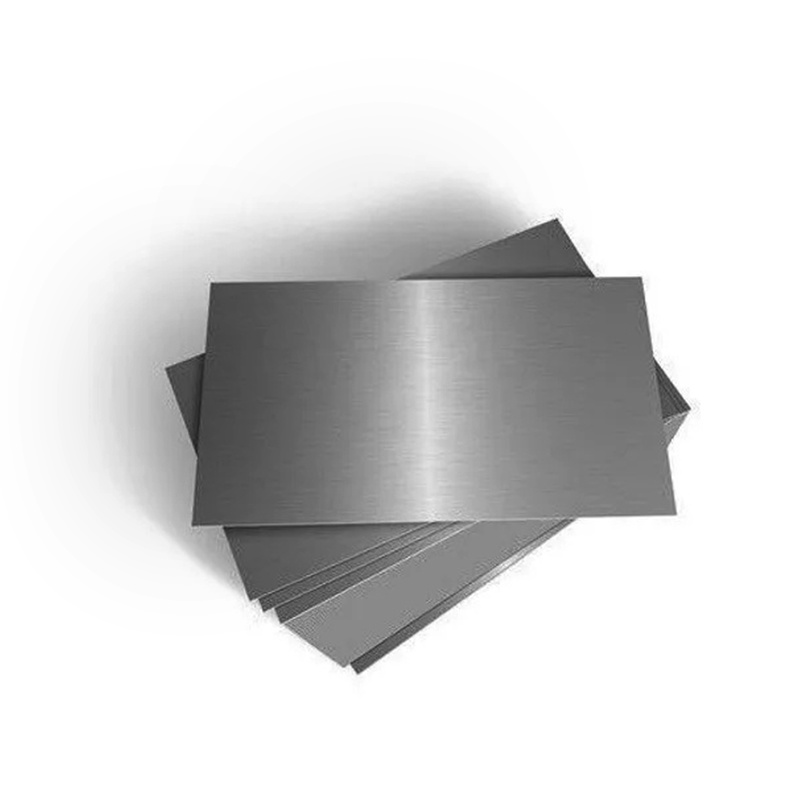
202 stainless steel is one of the 200 series of stainless steel, which is a stainless steel with low nickel content and high manganese content, because it is a stainless steel developed to save nickel, so its nickel content is relatively low.
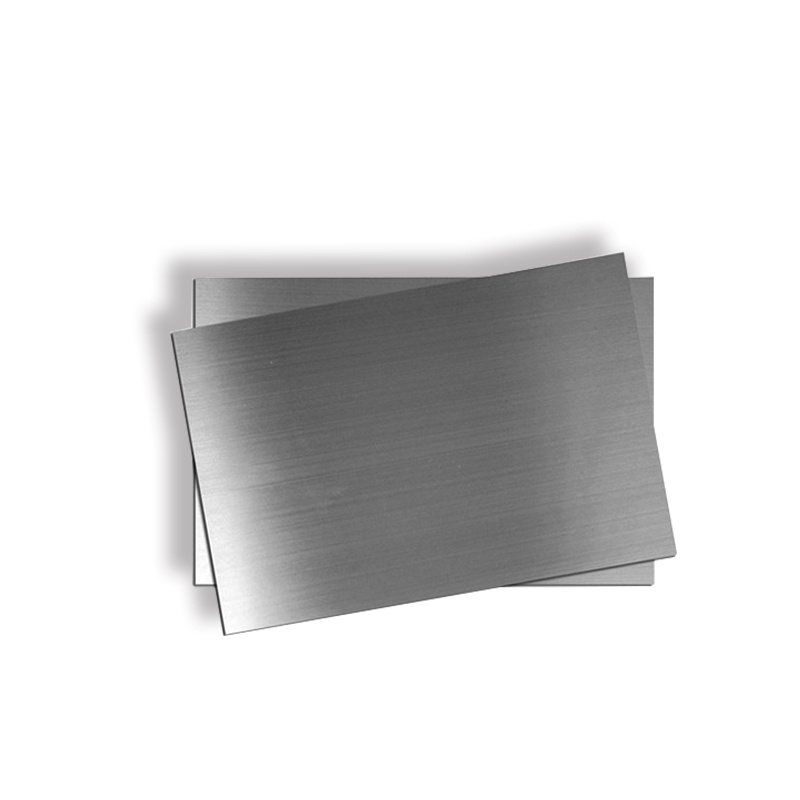
301 stainless steel is an austenitic stainless steel with a chemical composition of 17 percent chromium and 7 percent nickel, which provides good strength and ductility when cold worked. Besides, it also has excellent corrosion resistance properties.
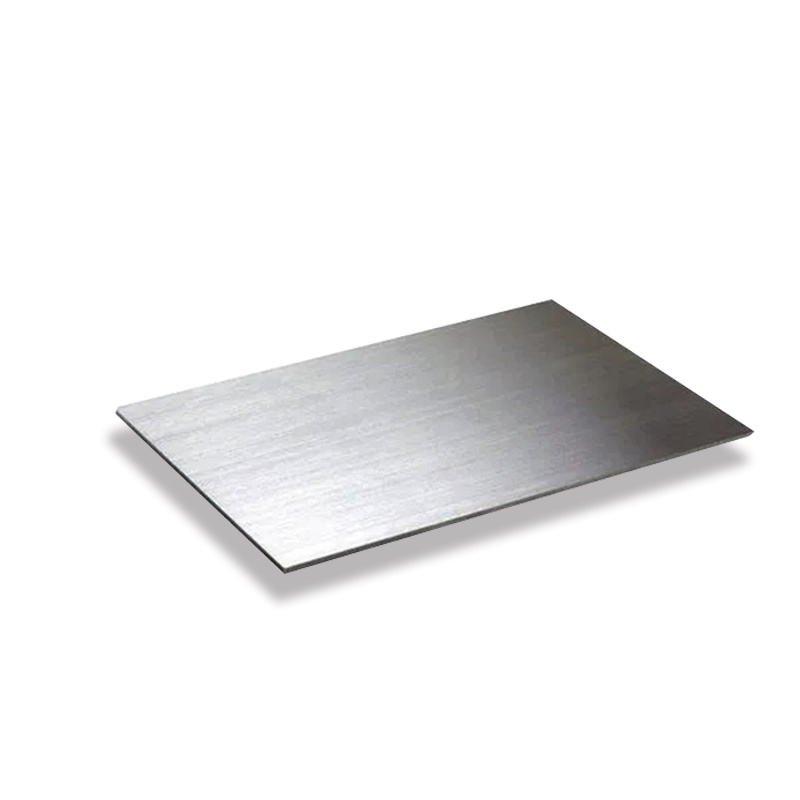
302 stainless steel is an austenitic stainless steel that has 18% chromium and 8% nickel. Its chemical composition relies heavily on reasonable alloy design to achieve a series of excellent properties.
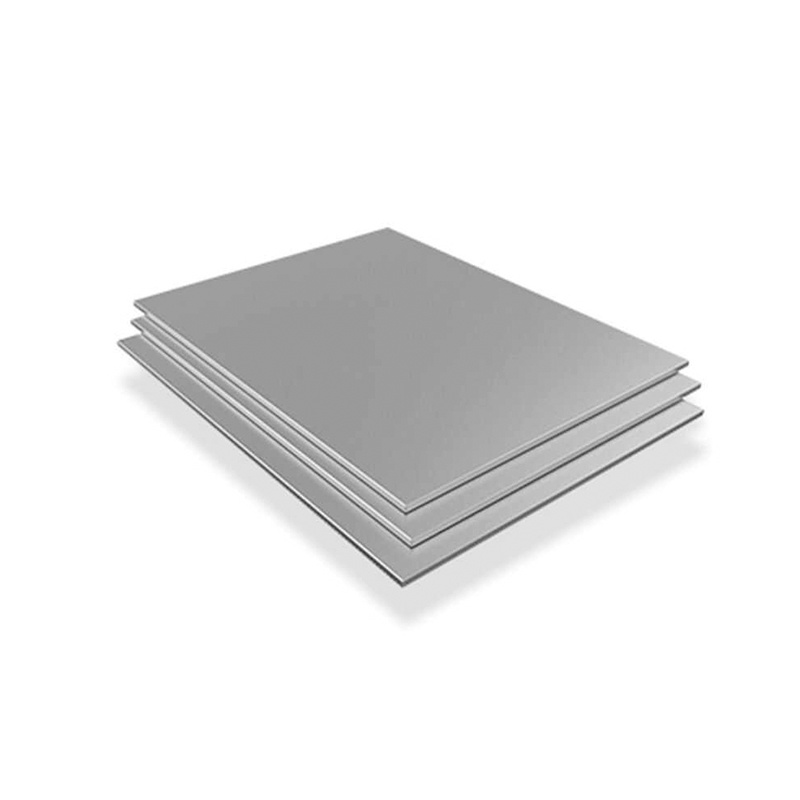
303 stainless steel is an austenitic, easy-cutting wear-resistant acid stainles steel containing sulfur and selenium respectively. It is used in situations where easy cutting and high surface finish are required.
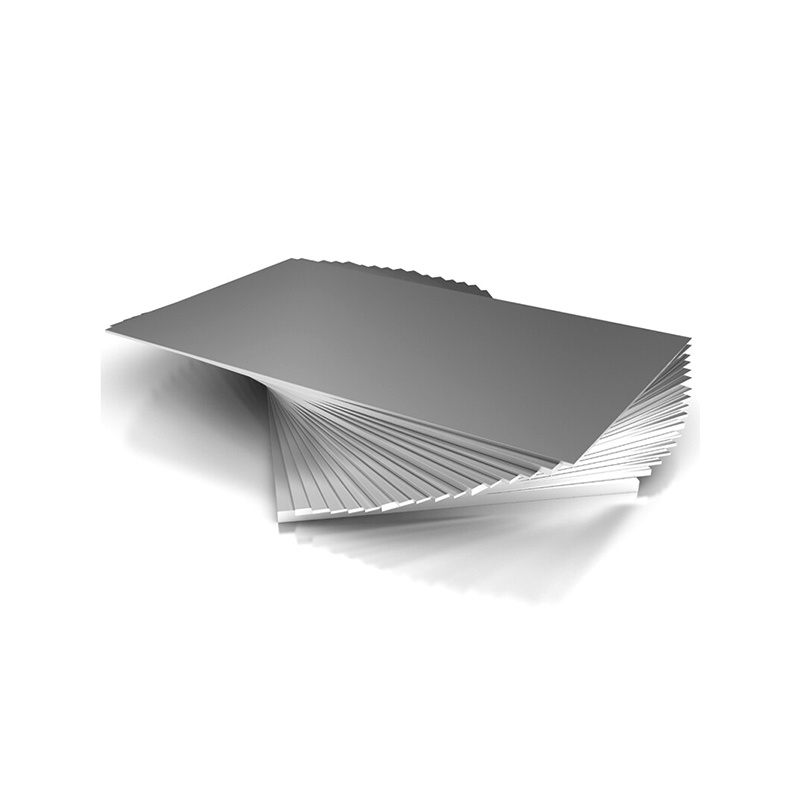
305 stainless steel is a common austenitic stainless steel containing elements such as chromium, nickel, and manganese. Chromium is the main anti-corrosion element and can combine with oxygen to form a dense oxide film to protect materials from corrosion. Nickel can improve the material's heat resistance and toughness while reducing its magnetism. Manganese can increase the strength and hardness of materials.

309/309S Stainless Steel Plate
309 stainless steel is a stainless steel material with excellent corrosion resistance and high temperature performance. It is widely used in aviation, chemical industry, petroleum, food and other fields.

316Ti is a titanium stabilized version of 316 molybdenum-containing austenitic stainless steel. It is more resistant to general corrosion and pitting/crevice corrosion than traditional chromium-nickel austenitic stainless steels such as 304.
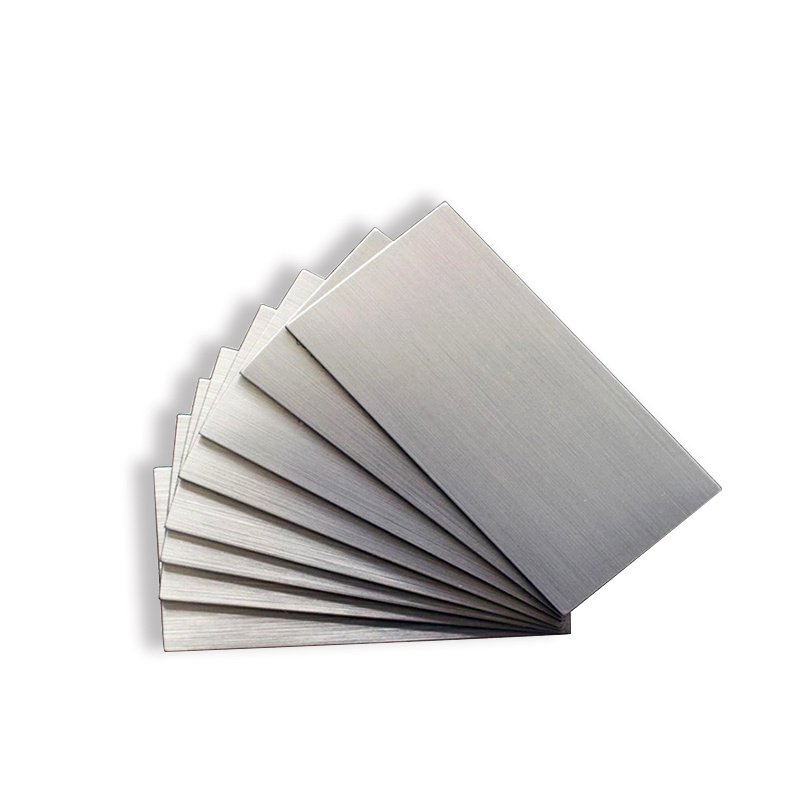
317L stainless steel is a lower carbon version of 317 stainless steel, which means it has better corrosion resistance and higher creep strength at high temperatures. It contains molybdenum, nickel and chromium as main alloying elements.
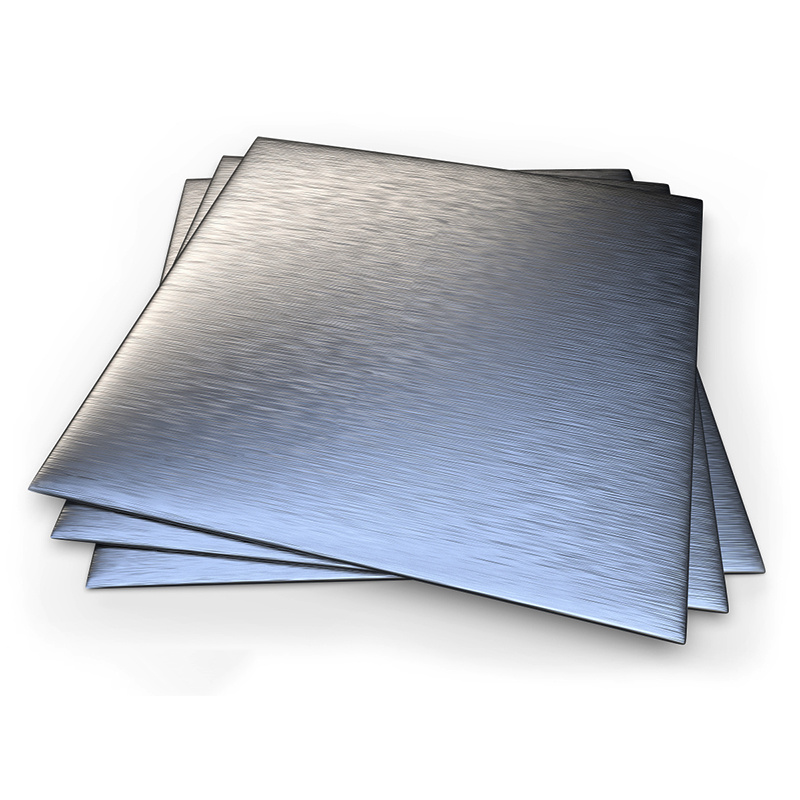
321 stainless steel is an austenitic stainless steel that has excellent corrosion resistance at room temperature, as well as good high-temperature strength and creep resistance.

330 stainless steel is a high temperature alloy stainless steel , also known as Incoloy 330 or UNS N08330. It is mainly composed of chromium, nickel, iron and other elements, and has excellent high temperature resistance, high strength and corrosion resistance.

347 stainless steel is a high-temperature oxidation-resistant stainless steel material mainly composed of elements such as chromium, nickel and titanium. It is a stable material that can be used at high temperatures and resists corrosion and oxidation effectively.

403 stainless steel is a martensitic stainless steel with high chromium content and low carbon content. It is also known as UNS S40300 and is commonly used in applications requiring high strength and corrosion resistance.

405 stainless steel is an austenitic stainless steel material with excellent corrosion resistance and good mechanical properties. It is widely used in many fields, especially in marine engineering, petrochemical industry, food processing and other fields.

409 stainless steel is a ferritic steel with good mechanical properties and high temperature corrosion resistance. It contains 11% chromium, which is the minimum amount required to form the passive surface film that makes stainless steel corrosion-resistant.

410 stainless steel is a commonly used martensitic stainless steel whose main components are iron, carbon, chromium and a small amount of other elements.

The chemical composition of 416 stainless steel mainly includes iron, chromium, nickel and other elements. This chemical composition ratio gives 416 stainless steel excellent corrosion resistance and mechanical properties.

420 stainless steel is a high-carbon stainless steel, mainly composed of chromium, carbon and molybdenum, with good corrosion resistance and strength.
Get a Free Consultancy
Get the latest information on the company's products

is an influential international and professional supplier of steel and non-ferrous metal raw materials.
Copyright © Shandong Shengde Metal Technology Co., LTD All Rights Reserved.